Menu

 EUR
EUR CAD
CAD AUD
AUD GBP
GBP MXN
MXN HKD
HKD CNY
CNY MYR
MYR SEK
SEK SGD
SGD CHF
CHF THB
THB SAR
SAR AED
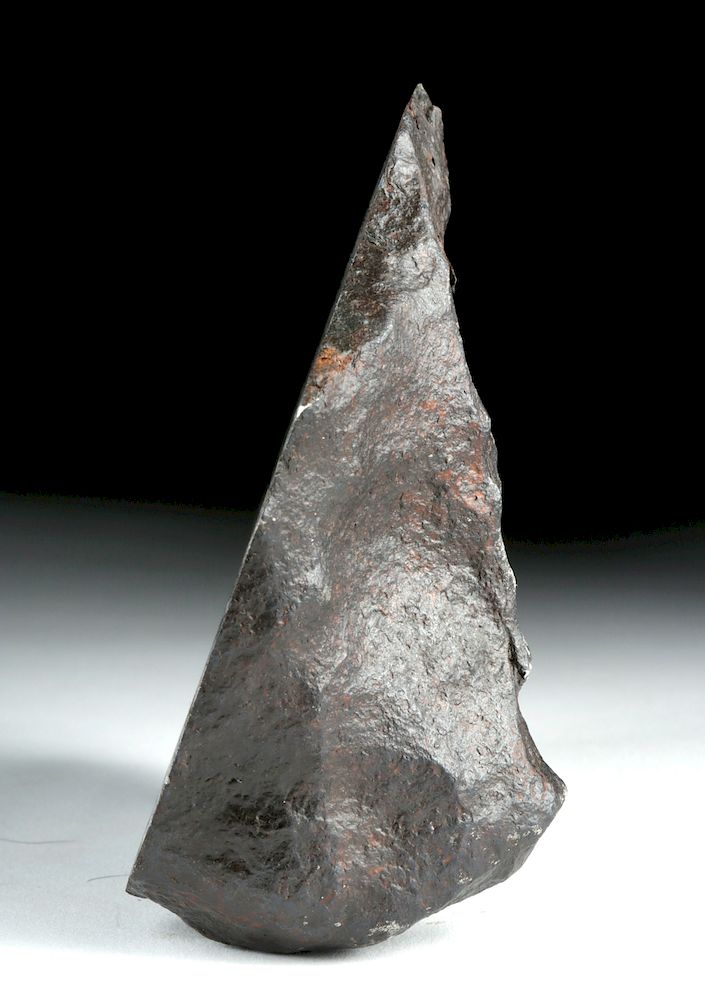
AEDBeautiful Gibeon Meteorite Slice - 1814.37 g
Lot 96
About Seller

Artemis Fine Arts
686 S Taylor Ave, Ste 106
Louisville, CO 80027
United States
Selling antiquities, ancient and ethnographic art online since 1993, Artemis Gallery specializes in Classical Antiquities (Egyptian, Greek, Roman, Near Eastern), Asian, Pre-Columbian, African / Tribal / Oceanographic art. Our extensive inventory includes pottery, stone, metal, wood, glass and textil...Read more
 Live Auction in Progress ... Currently on Lot
 Estimate:
$3,000 - $5,000
Absentee vs Live bid
Two ways to bid:
- Leave a max absentee bid and the platform will bid on your behalf up to your maximum bid during the live auction.
- Bid live during the auction and your bids will be submitted real-time to the auctioneer.
Bid Increments
| Price | Bid Increment |
|---|---|
| $0 | $25 |
| $300 | $50 |
| $1,000 | $100 |
| $2,000 | $250 |
| $5,000 | $500 |
| $10,000 | $1,000 |
| $20,000 | $2,500 |
| $50,000 | $5,000 |
| $100,000 | $10,000 |
| $200,000 | $20,000 |
About Auction

 Live
Live
By Artemis Fine Arts
Jun 6, 2019
Set Reminder
2019-06-06 10:00:00
2019-06-06 10:00:00
America/New_York
Bidsquare
Bidsquare : VARIETY AUCTION | Ancient & Ethnographic
https://www.bidsquare.com/auctions/artemis-gallery/variety-auction-ancient-ethnographic-4182
Around the world & back in time - be amazed at the treasures you will find. Antiquities from Egypt, Greece, Italy and the Near East, Asian, Pre-Columbian, African / Tribal / Oceanic, Native American, Spanish Colonial, Russian Icons, Fine Art, much more! All categories, all price ranges...all legal Artemis Fine Arts info@artemisfinearts.com
Around the world & back in time - be amazed at the treasures you will find. Antiquities from Egypt, Greece, Italy and the Near East, Asian, Pre-Columbian, African / Tribal / Oceanic, Native American, Spanish Colonial, Russian Icons, Fine Art, much more! All categories, all price ranges...all legal Artemis Fine Arts info@artemisfinearts.com
 View Full Catalog (381)
- Lot Description
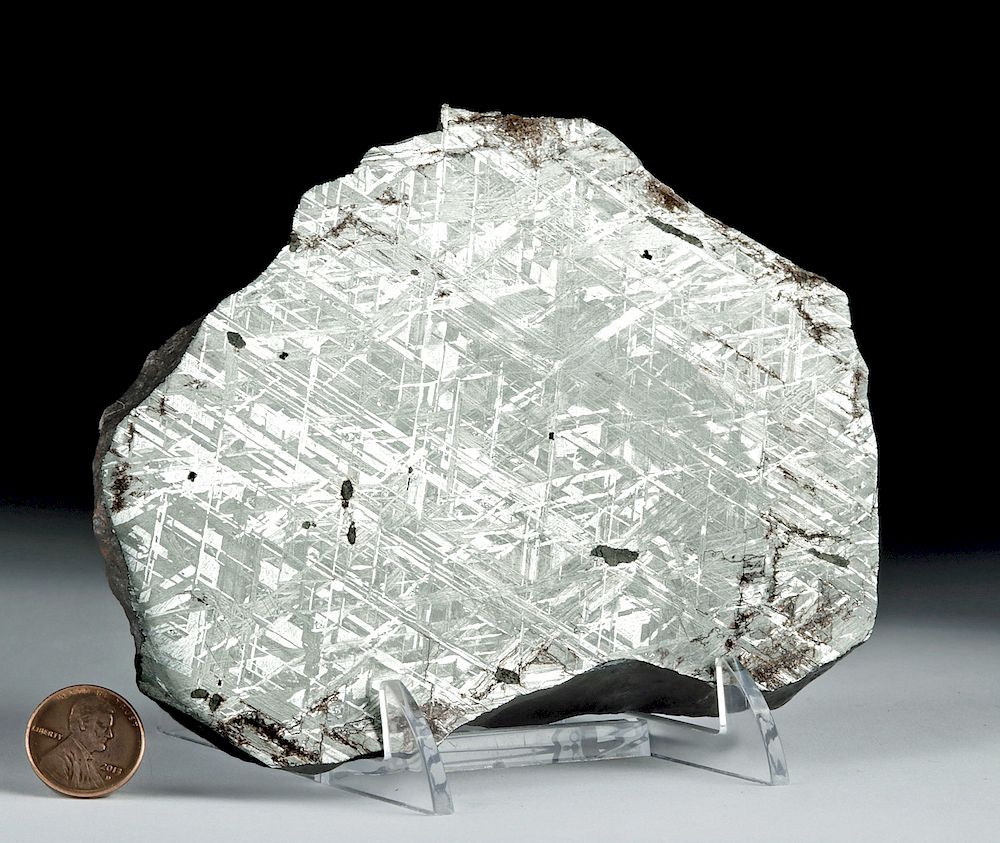
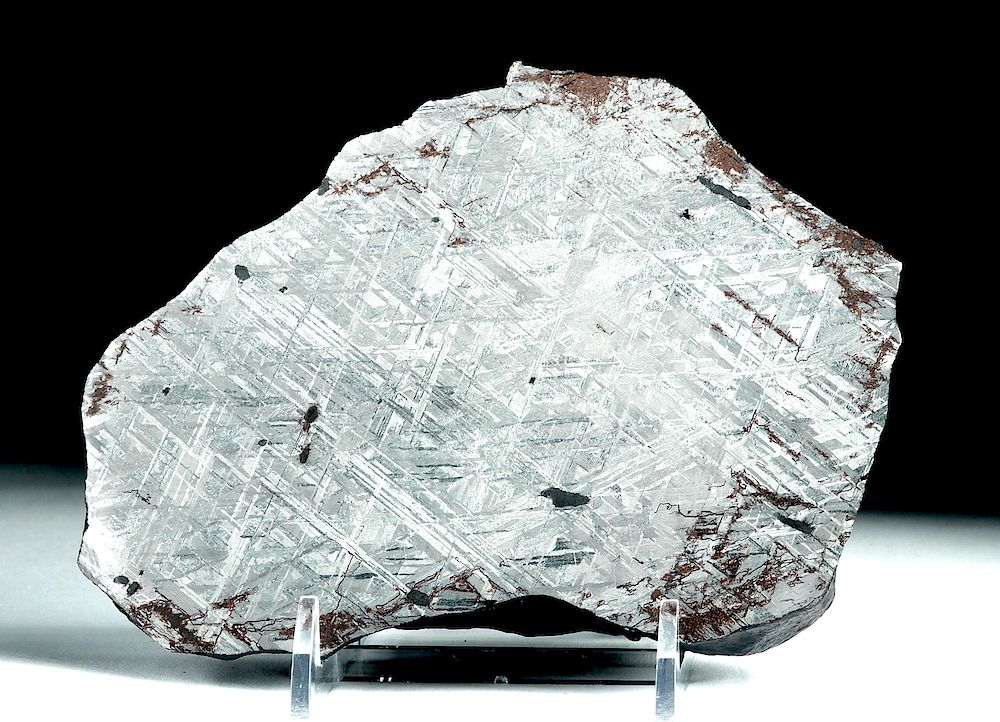
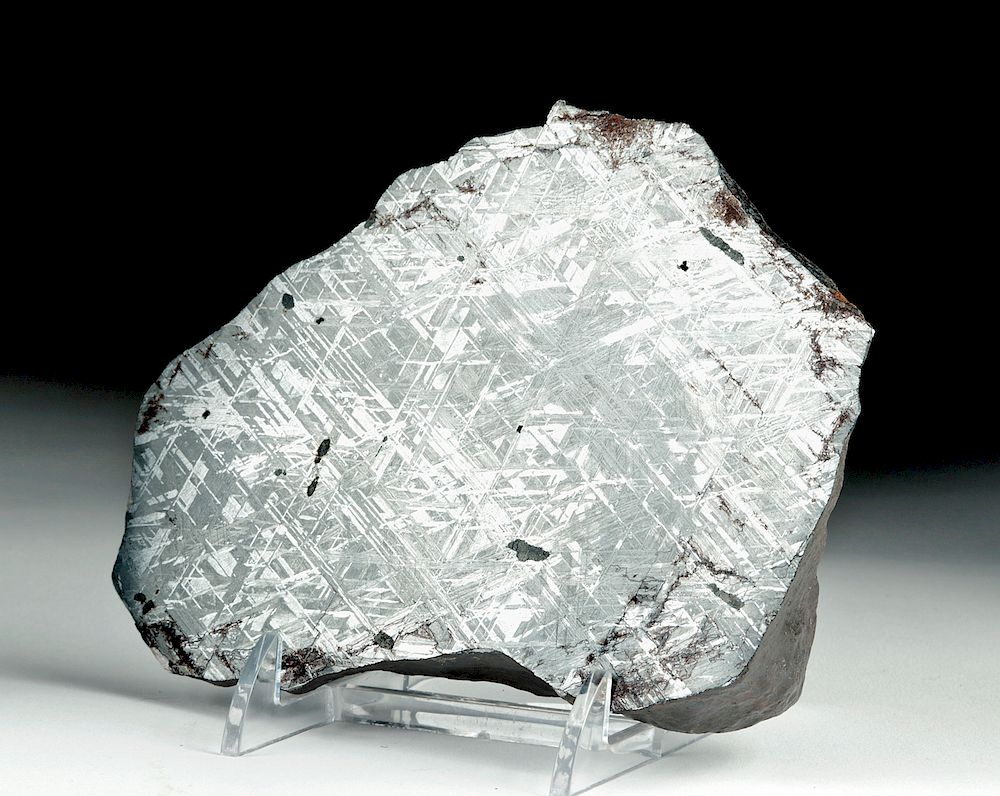
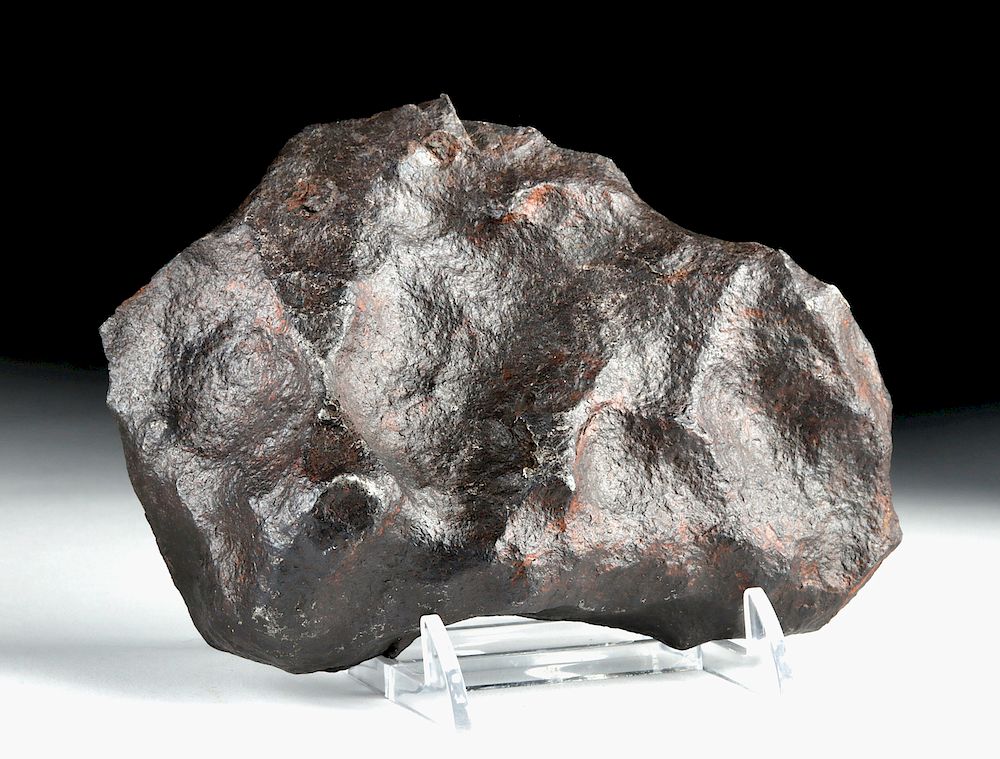
Africa, Namibia, fall dates to prehistoric times, meteorite discovered by Captain J.E. Alexander in 1838 CE. A beautiful slice of the Gibeon meteorite, cut in modern times to reveal the beautiful iron-nickel graining within. The rough verso has numerous indentations and rough areas consistent with hurdling through space for eons. The Gibeon meteorite fell during prehistoric times in Namibia and was named for the closest town. The Nama people used fragments of this meteorite to make tools and weapons. Its crystal structure is a quintessential example of fine octahedrite and its so-called Widmanstatten pattern (Thomson structure) is admired by designers and collectors. Size: 6.125" W x 4.375" H (15.6 cm x 11.1 cm); total weight: 1814.37 grams.
Captain J. E. Alexander first reported the Gibeon Meteorite in 1838 on the east side of Great Fish River. Most certainly the native villagers were aware of these masses of iron up to two feet square; however, Europeans recovered many of the masses in the 19th century. Its chemical composition consists of 90% iron, 8% nickel, .4% cobalt, and .4% phosphorus.
Provenance: ex-private Los Angeles, California, USA collection
All items legal to buy/sell under U.S. Statute covering cultural patrimony Code 2600, CHAPTER 14, and are guaranteed to be as described or your money back.
A Certificate of Authenticity will accompany all winning bids.
We ship worldwide and handle all shipping in-house for your convenience.
#144796This is a fragment of a larger meteorite. Some deposits on rough verso, and minor nicks to peripheries, otherwise intact and excellent.Condition
- Shipping Info
-
All shipping is handled in-house for your convenience. Your invoice from Artemis Gallery will include shipping calculation instructions. If in doubt, please inquire BEFORE bidding for estimated shipping costs for individual items.
-
- Buyer's Premium