EUR
EUR CAD
CAD AUD
AUD GBP
GBP MXN
MXN HKD
HKD CNY
CNY MYR
MYR SEK
SEK SGD
SGD CHF
CHF THB
THB SAR
SAR AED
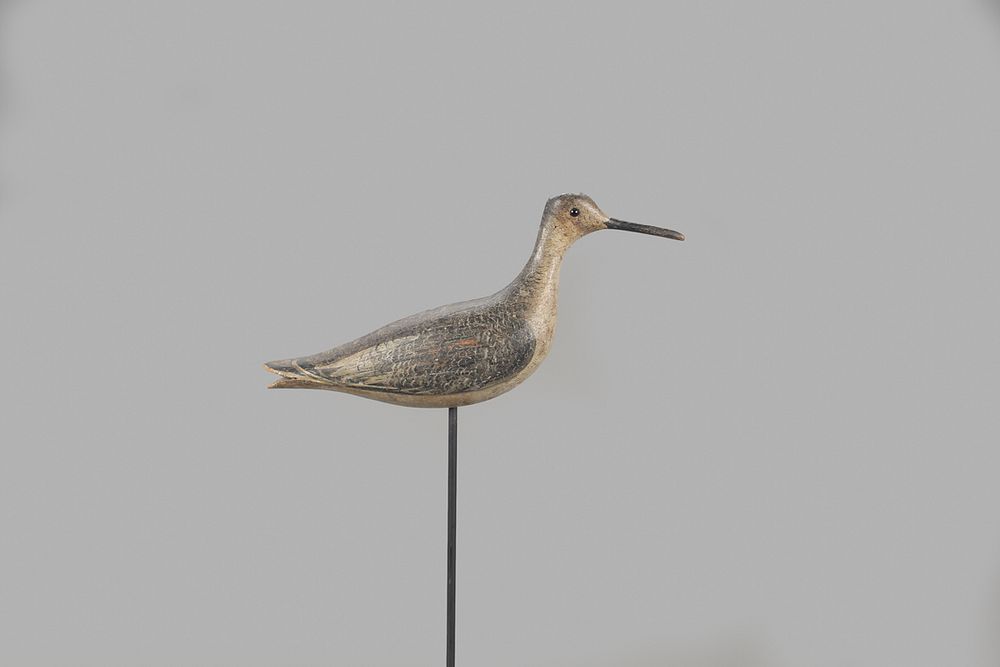
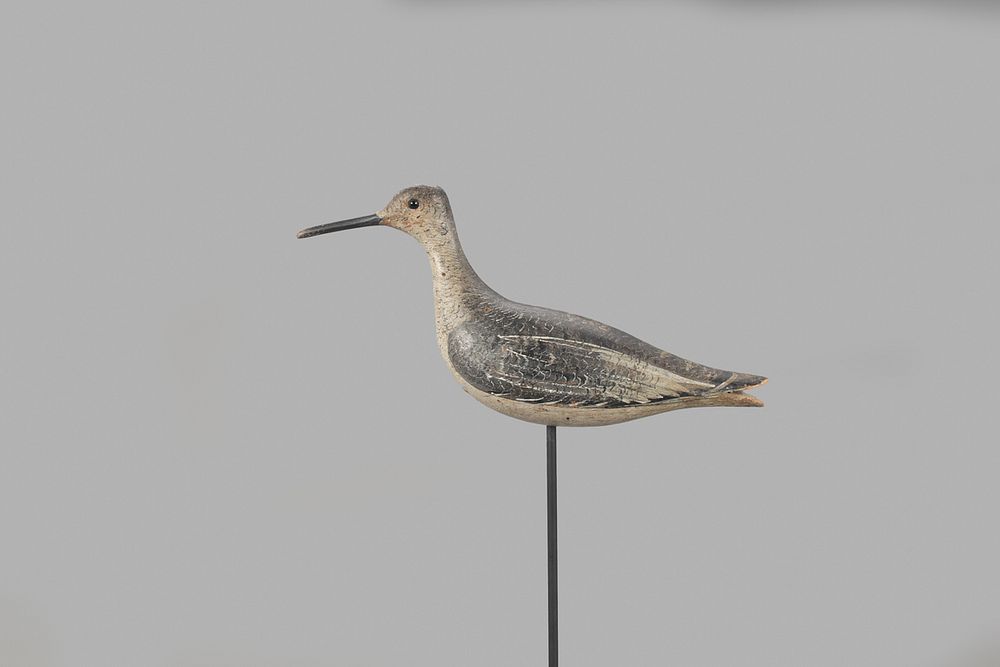
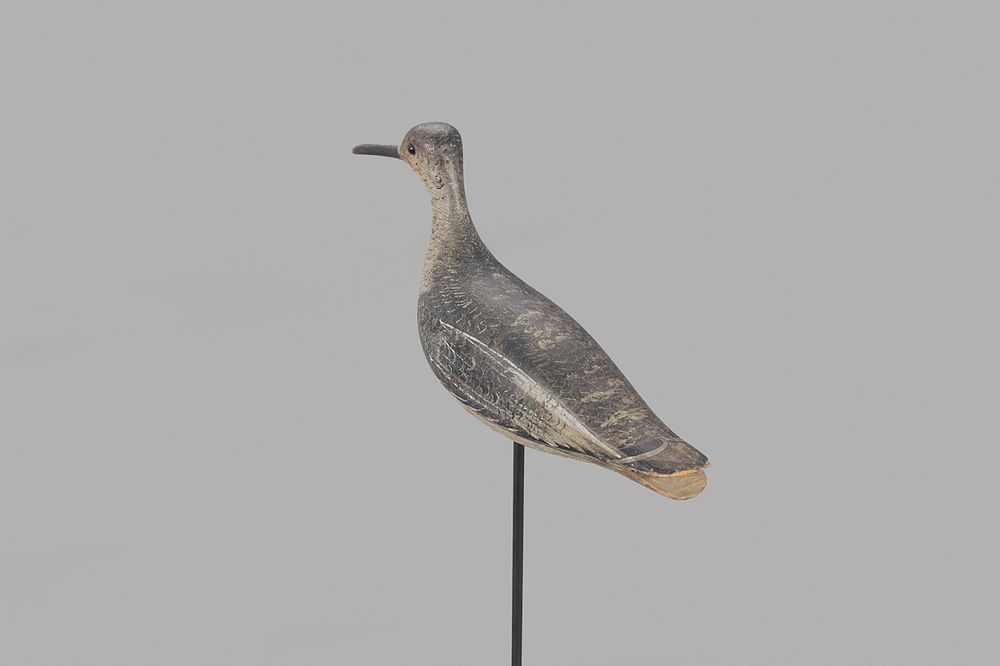
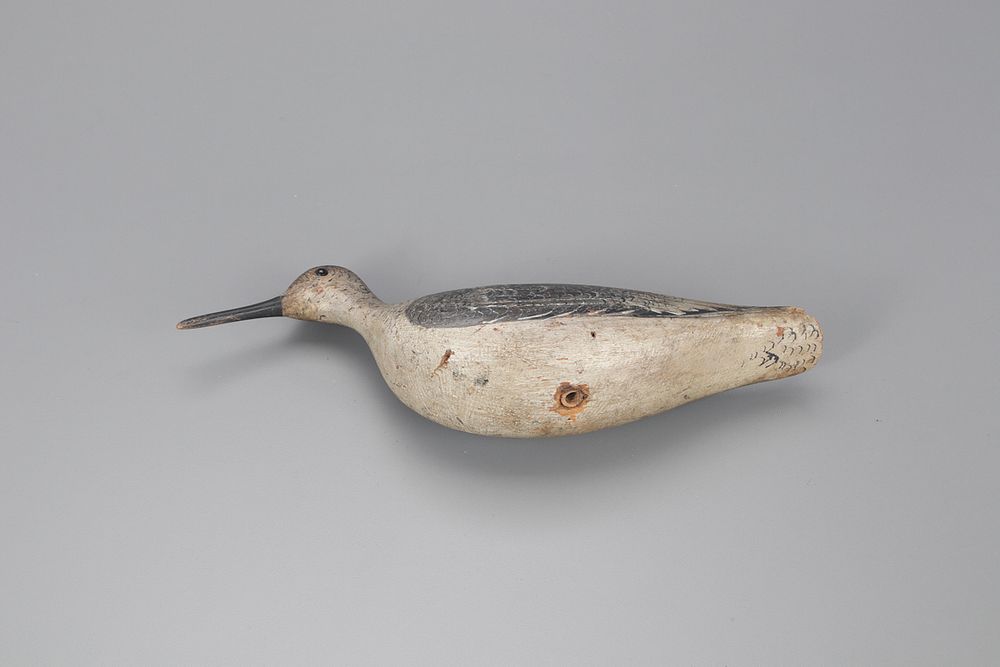
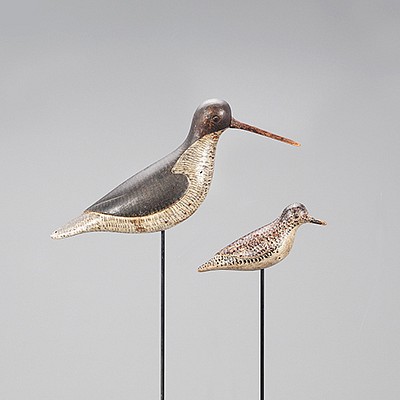
AEDEarly Split-Tail Willet Decoy, John Dilley
About Seller

20 Winter Street
Pembroke, MA 02359
United States
Founded in 2005, Copley Fine Art Auctions is a boutique auction house specializing in antique decoys and American, sporting, and wildlife paintings. Over the course of the last two decades, the firm has set auction records for not only individual decoy makers, but also entire carving regions. Copley...Read more
 Live Auction in Progress ... Currently on Lot
 Two ways to bid:
- Leave a max absentee bid and the platform will bid on your behalf up to your maximum bid during the live auction.
- Bid live during the auction and your bids will be submitted real-time to the auctioneer.
Bid Increments
| Price | Bid Increment |
|---|---|
| $0 | $50 |
| $1,000 | $100 |
| $2,500 | $250 |
| $5,000 | $500 |
| $10,000 | $1,000 |
| $25,000 | $2,500 |
| $50,000 | $5,000 |
About Auction
 Live
LiveJul 10, 2021
Lots 247-507 Copley Fine Art Auctions cinnie@copleyart.com
 View Full Catalog (261)
- Lot Description
Early Split-Tail Willet
John Dilley
Quogue, Long Island, NY, c. 1890
12 1/2 in. long
In 1890 Squires, a New York City sportsmen's supply store on Broadway owned by Henry C. Squires, published an over-the-top catalog featuring several decoy varieties listed for sale, including some known to be Dilleys. The Squires catalog describes the Dilley offerings as "Snipe decoys, hand-made, shaped and painted from life; the finest decoys ever produced; can be furnished only in limited quantities." Snipe was a catch-all term used by hunters for all shorebirds. It is noteworthy that the $12 per dozen price was 300% higher than other makers' "Snipe decoys" that Squires offered for sale. Over a century later, top decoy hunters still place a premium on Dilleys, considering his decoys to be among "the finest ever produced."
Indeed, when referring to Dilley shorebirds in "American Bird Decoys," Mackey states, "There is no question that the detailed, stylized painting is unsurpassed. They are beautiful examples from the hand of a fastidious workman."
Starting with clean lines and a solid form, Dilley applied some of the finest representations of plumage ever demonstrated. Using his exceptional brush technique, he was able to imply detail without carving or painting every feather.
The rarity of this grand willet, along with its exceptionally long and thin neck, excellent paint, and split-tail carving, place it in the upper echelon of Long Island decoys.
Original paint with light gunning wear, some touch-up to head, and replaced bill.
Provenance: Bud Ward Collection
Private Collection, New York, acquired from the above
Literature: Henry C. Squires, "Descriptive Catalogue and Price-list of Sportsmen's Supplies," New York, NY, 1890, p. 52, snipe decoys listed. Robert Shaw, "Bird Decoys of North America," New York, NY, 2010, p. 84, related example illustrated.Please email condition report requests to colin@copleyart.com. Any condition statement given is a courtesy to customers, Copley will not be held responsible for any errors or omissions. The absence of a condition statement does not imply that the lot is in perfect condition.Condition
- Shipping Info
-
Copley Fine Art Auctions does not handle the shipping of any items. Shipping is the sole responsibility of the buyer. Once your payment has cleared, and we have received your authorized shipping release form items may be released for shipment. Copley Fine Art Auctions, LLC shall have no liability for any loss or damage to such items. Buyers should allow up to four weeks for shipment. Please be aware that internet bidders may NOT not pick up their items at the sale. Items will be available for pick up by appointment or by shippers five days after the sale.
-