Menu

 EUR
EUR CAD
CAD AUD
AUD GBP
GBP MXN
MXN HKD
HKD CNY
CNY MYR
MYR SEK
SEK SGD
SGD CHF
CHF THB
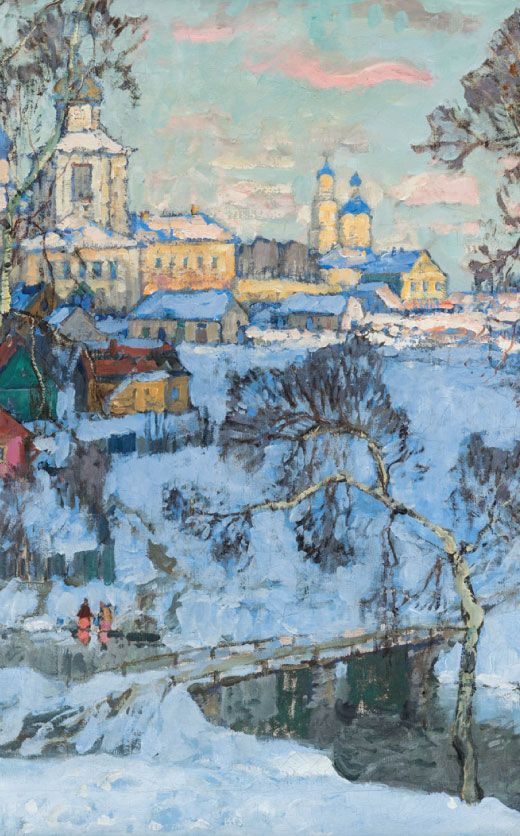
THB"Ricardo Grau (Bordeaux, 1907 – Lima, 1970) Peruvian Painter - Figura - Peru, Lima


 Live Auction in Progress ... Currently on Lot
 Estimate:
EUR€15,000 - EUR€20,000
$17,441.86 - $23,255.81
Absentee vs Live bid
Two ways to bid:
- Leave a max absentee bid and the platform will bid on your behalf up to your maximum bid during the live auction.
- Bid live during the auction and your bids will be submitted real-time to the auctioneer.
Bid Increments
| Price | Bid Increment |
|---|---|
| EUR€0 | EUR€10 |
| EUR€50 | EUR€10 |
| EUR€100 | EUR€20 |
| EUR€200 | EUR€25 |
| EUR€500 | EUR€50 |
| EUR€1,000 | EUR€100 |
| EUR€2,000 | EUR€250 |
| EUR€5,000 | EUR€500 |
| EUR€10,000 | EUR€1,000 |
| EUR€20,000 | EUR€2,500 |
| EUR€50,000 | EUR€5,000 |
| EUR€100,000 | EUR€10,000 |
| EUR€200,000 | EUR€25,000 |
| EUR€500,000 | EUR€50,000 |
About Auction

 Live
Live
By Templum Fine Art Auctions
Feb 25, 2026
Set Reminder
2026-02-25 07:00:00
2026-02-25 07:00:00
America/New_York
Bidsquare
Bidsquare : MASTERPIECES FROM EUROPEAN AND INTERNATIONAL PRIVATE COLLECTIONS
https://www.bidsquare.com/auctions/templum-fine-art-auctions/masterpieces-from-european-and-international-private-collections-22539
- SUBASTA DEL 25 DE FEBRERO A LAS 13:00h - EXPOSICIÓN ABIERTA! 13 DE FEBRERO - Lunes a viernes de 10:00 a 14:00 y de 16:00 a 20:00h - Sábados y Domingos: Cerrado Templum Fine Art Auctions info@templumauctions.com
- SUBASTA DEL 25 DE FEBRERO A LAS 13:00h - EXPOSICIÓN ABIERTA! 13 DE FEBRERO - Lunes a viernes de 10:00 a 14:00 y de 16:00 a 20:00h - Sábados y Domingos: Cerrado Templum Fine Art Auctions info@templumauctions.com
 View Full Catalog (908)
- Lot Description
Oil on canvas. Dimensions: 65 x 81 cm. Signed and dated 1953. Ricardo Muro Grau was a Peruvian modernist and surrealist painter. After extended periods in Europe, he returned to Peru in 1937–1938, introducing European pictorial modernity at a time when indigenism was still dominant in the country. He became one of the first Latin American representatives of European modern painting, marking a strong contrast with the prevailing nationalist style of the period. While Peruvian art focused on villages, coastal horsemen, indigenous figures, and local markets, Muro Grau exhibited still lifes, nudes, and landscapes that restored painting itself as an autonomous and refined discipline. In 1937 he promoted the “Salón de Independientes†in Lima, gathering artists who rejected the influence of José Sabogal. Participants included Óscar Allain, Sérvulo Gutiérrez, Francisco González Gamarra, Juan Barreto, Carlos More, Domingo Pantigoso, VÃctor Humareda, Carlos QuÃspez-AsÃn, Federico Reinoso, Bernardo Rivero, Ricardo Sánchez, Adolfo Winternitz, and Sabino Springett. He served as professor at the Universidad Nacional Mayor de San Marcos in 1942 and as director of the Escuela Nacional de Bellas Artes de Lima from 1945 to 1949. During this period his palette became increasingly luminous. By 1950 he showed a strong interest in Surrealism and in pre-Columbian Peruvian cultures such as Nazca, Chimú, and especially Vicús, whose artifacts he collected. This resulted in a subtle synthesis between European modernism and pre-Columbian heritage. In the 1960s he returned to abstraction, using color as an independent expressive medium. A dedicated teacher for many years, he trained numerous distinguished students and exhibited widely both in Peru and internationally. Provenance: North American private collection; Spanish private collection of Latin American avant-garde art.
- Shipping Info
-
Si desea obtener un presupuesto de transporte asegurado, envíe su factura a hola@thepackengers.com
Los lotes se encuentran repartidos entre nuestros almacenes de Madrid, Barcelona( otros) por lo que es necesario coordinar la recogida y el envío con anticipación. Para organizar la logística correspondiente, se deberá realizar una consulta previa al correo electrónico admin@templumauctions.es.
-
- Buyer's Premium