Menu

 EUR
EUR CAD
CAD AUD
AUD GBP
GBP MXN
MXN HKD
HKD CNY
CNY MYR
MYR SEK
SEK SGD
SGD CHF
CHF THB
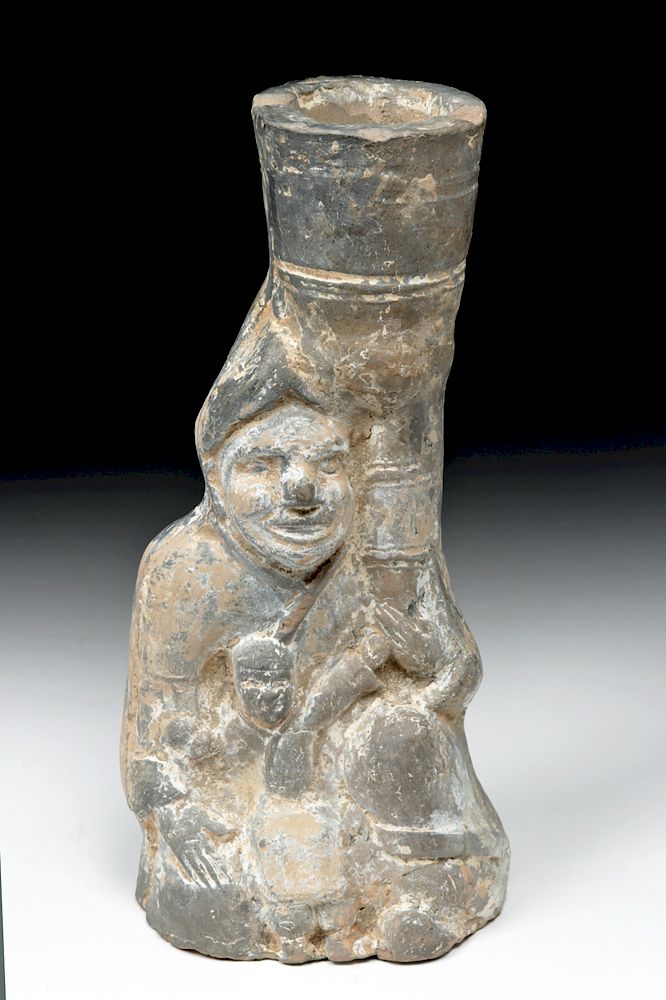
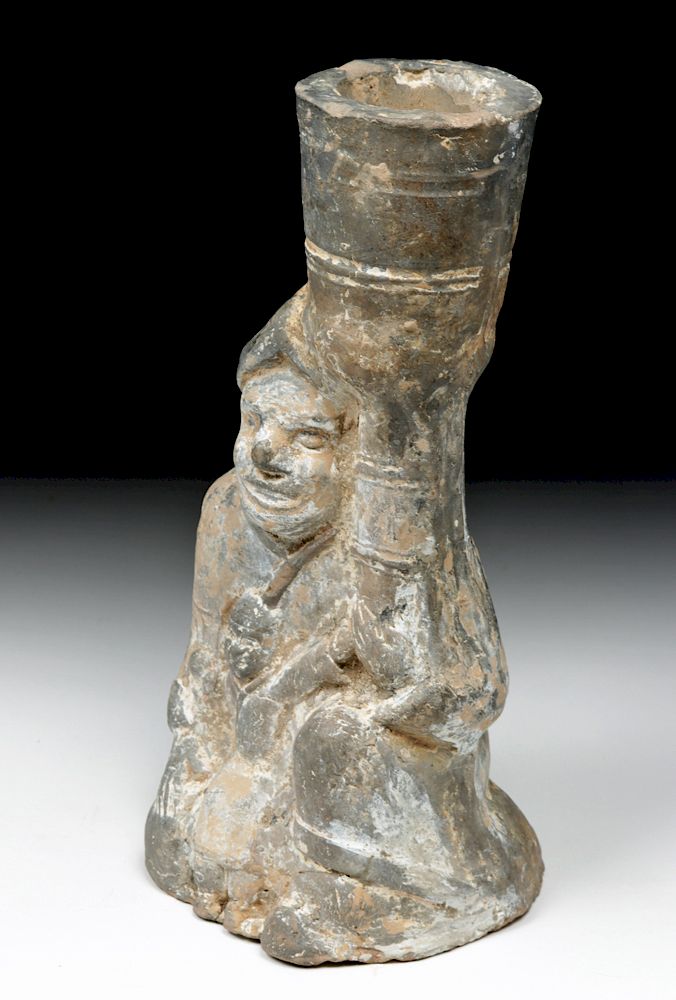
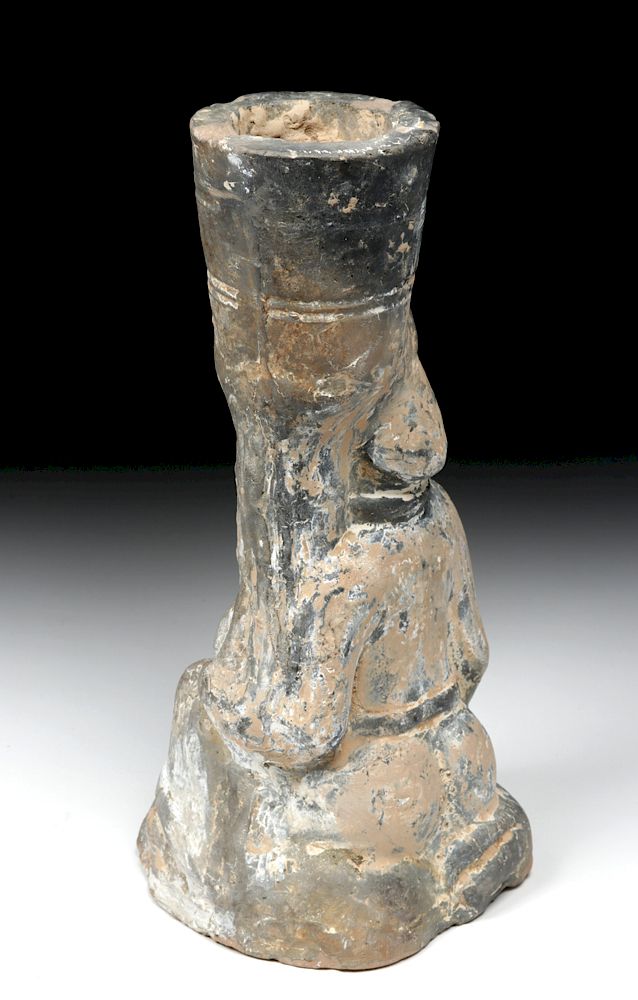
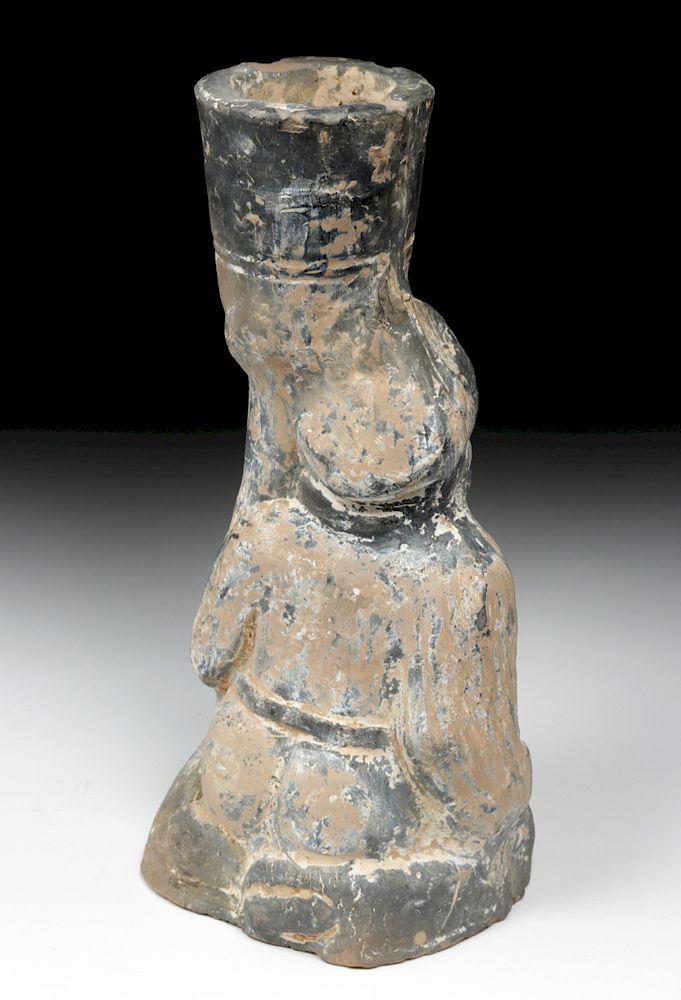
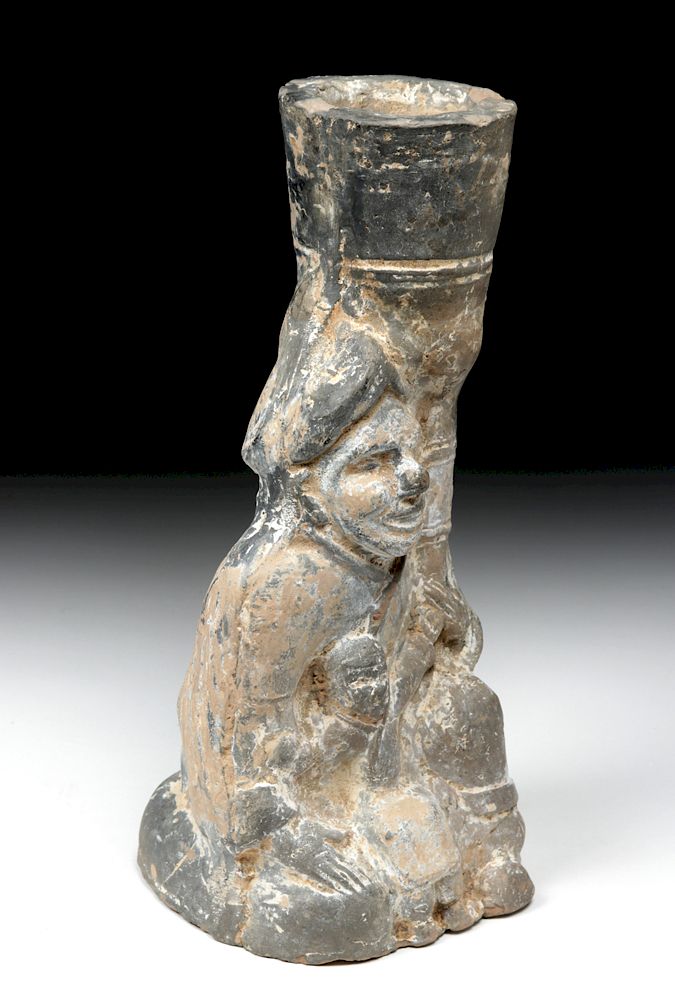
THBChinese Han Dynasty Incense Burner - Rare!
Lot 71c
About Seller

Artemis Fine Arts
686 S Taylor Ave, Ste 106
Louisville, CO 80027
United States
Selling antiquities, ancient and ethnographic art online since 1993, Artemis Gallery specializes in Classical Antiquities (Egyptian, Greek, Roman, Near Eastern), Asian, Pre-Columbian, African / Tribal / Oceanographic art. Our extensive inventory includes pottery, stone, metal, wood, glass and textil...Read more
Categories
 Live Auction in Progress ... Currently on Lot
 Estimate:
$2,000 - $2,500
Absentee vs Live bid
Two ways to bid:
- Leave a max absentee bid and the platform will bid on your behalf up to your maximum bid during the live auction.
- Bid live during the auction and your bids will be submitted real-time to the auctioneer.
Bid Increments
| Price | Bid Increment |
|---|---|
| $0 | $25 |
| $300 | $50 |
| $1,000 | $100 |
| $2,000 | $250 |
| $5,000 | $500 |
| $10,000 | $1,000 |
| $20,000 | $2,500 |
| $50,000 | $5,000 |
| $100,000 | $10,000 |
| $200,000 | $20,000 |
About Auction
 Live
Live
By Artemis Fine Arts
Apr 4, 2019
Set Reminder
2019-04-04 10:00:00
2019-04-04 10:00:00
America/New_York
Bidsquare
Bidsquare : Ancient / Ethnographic From Around The World
https://www.bidsquare.com/auctions/artemis-gallery/ancient-ethnographic-from-around-the-world-4003
Ancient art from Egypt, Greece, Italy and the Near East, as well as Asian, Pre-Columbian, Native American, African / Tribal / Oceanic, Spanish Colonial, Russian Icons, Fine art, much more! All categories, all price ranges... all legally acquired and guaranteed to be as described or your money back Artemis Fine Arts info@artemisfinearts.com
Ancient art from Egypt, Greece, Italy and the Near East, as well as Asian, Pre-Columbian, Native American, African / Tribal / Oceanic, Spanish Colonial, Russian Icons, Fine art, much more! All categories, all price ranges... all legally acquired and guaranteed to be as described or your money back Artemis Fine Arts info@artemisfinearts.com
 View Full Catalog (410)
- Lot Description
East Asia, China, Han Dynasty, ca. 206 BCE to 220 CE. A rare and well-preserved mold-made figural incense burner in the form of a seated person with a child on his or her lap. The person wears a pointed cap and holds a large cup-like torch with a mouth forms the top of the vessel. Size: 4.75" W x 11.25" H (12.1 cm x 28.6 cm)
Incense burners during the Han period were used as mortuary objects in the tombs of the rich, the nobility, and warriors. Archaeologists have found both the burners (like this one) and the presence of ashes containing aromatics inside elite tombs. Incense burners also played a role in how the ancient Chinese responded to disease. Emperor Wu, the longest reigning monarch of the Han period, ordered the burning of incense during an epidemic and found that his subjects recovered, leading to widespread use of this method. (Although there is no scientific evidence that incense prevents or cures disease, this was a common belief in the ancient world. One theory for its effectiveness was that no one could stand to go near each other in the sweltering heat of enclosed spaces full of burning aromas, so disease transmission did not occur.)
Provenance: private Florida, USA collection
All items legal to buy/sell under U.S. Statute covering cultural patrimony Code 2600, CHAPTER 14, and are guaranteed to be as described or your money back.
A Certificate of Authenticity will accompany all winning bids.
We ship worldwide and handle all shipping in-house for your convenience.
#129809Repair down low on one side but otherwise in excellent condition. Nice aged surface encrustation.Condition
- Shipping Info
-
All shipping is handled in-house for your convenience. Your invoice from Artemis Gallery will include shipping calculation instructions. If in doubt, please inquire BEFORE bidding for estimated shipping costs for individual items.
-
- Buyer's Premium